
AI in the Film Industry- Let’s talk about it
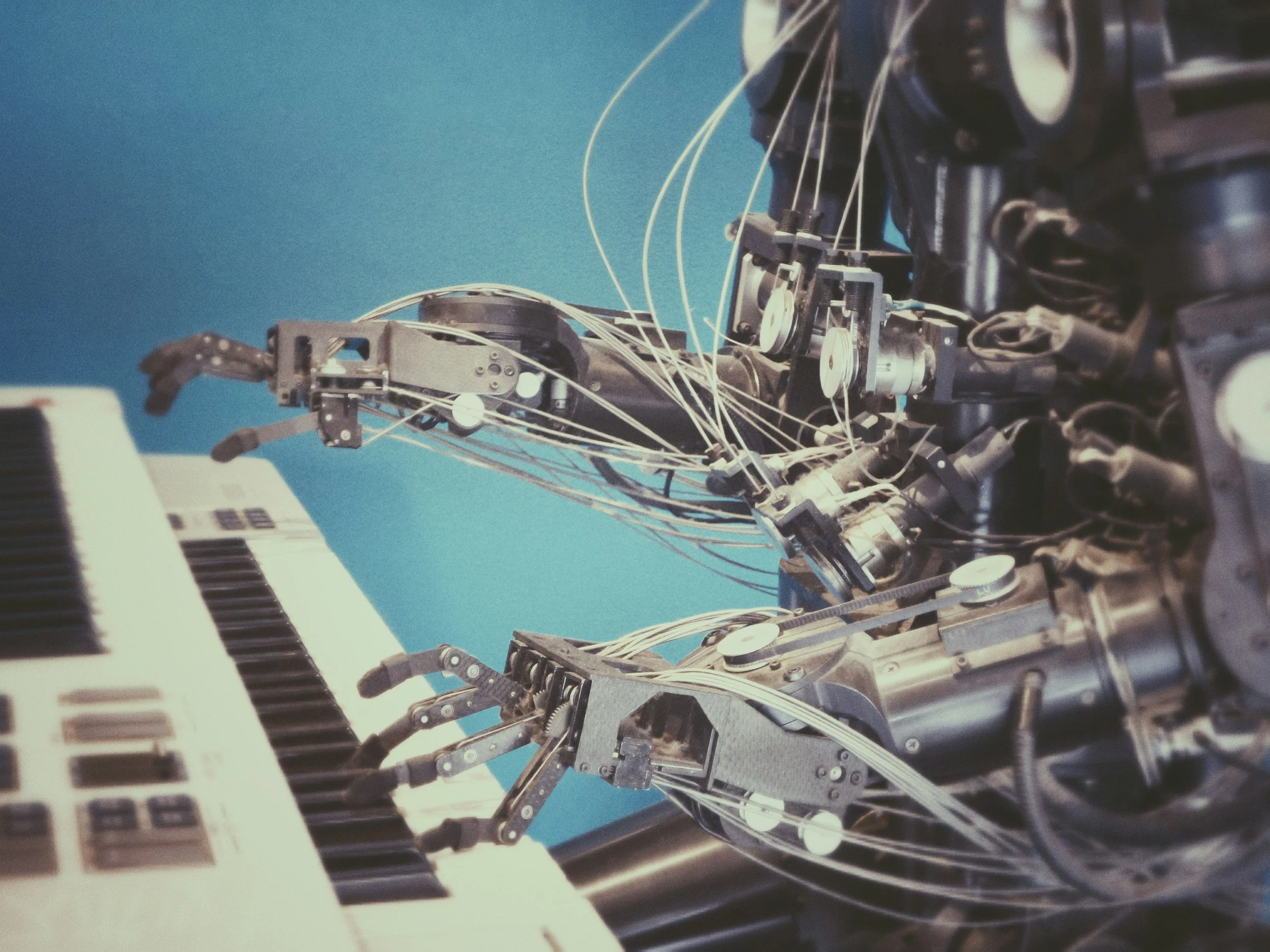
These past weekends, those of us at RMF who could get in on the mad rush for tickets crowded into packed theatres to catch the undisputed box office event of the summer: Christopher Nolan’s The Odyssey. This is not a review for that film. Partially because even attempting to review an all-encompassing box office behemoth like this can seem sort of pointless.
At this point, considering the all-star cast, the ubiquitous marketing, and the inescapable conversation this movie has stirred up among mythology nerds and opinion-makers alike, you’re either going to see this movie or you’re not.
But, it’s also partially because there is a different recent version of Homer’s timeless epic that we’re more interested in for the purposes of this blog post.
Nolan’s version has been widely hailed as not just a good movie, but a triumphant return for the whole concept of the culturally important, big-screen spectacle after the dark ages of COVID and the SAG-AFTRA strikes made it seem like the whole industry might be on the way out. And fittingly, the movie has a lot of big things to say about the very nature of storytelling and the way the stories we tell define us as human beings.
But, you may not have heard of a different version of The Odyssey under production right now, which is being created (or rather, generated) with the involvement of as few human beings as possible.
Odysseus: The Fall is an upcoming, AI-generated film by “director” (generator?) Ash Koosha and AI-Startup Fountain 0. While few exact details are yet available, it is reported to be about 135 minutes long (compared to Nolan’s 172) and to have cost merely “mid-five figures” to produce. It is pretty obviously timed to coast off the success of Nolan’s epic - and a cynical person might say also to trick people into buying or renting the wrong title when both films hit streaming - but we think this film has big things to say too, though maybe not intentionally.
From films like this, to other studios making some splashy, AI-centric announcements, it’s clear that studio big wigs have decided AI is here to stay in filmmaking, at least for now. The question will be whether, as Christopher Nolan says: “AI is a Trojan horse that everybody knows the Greeks are inside.”
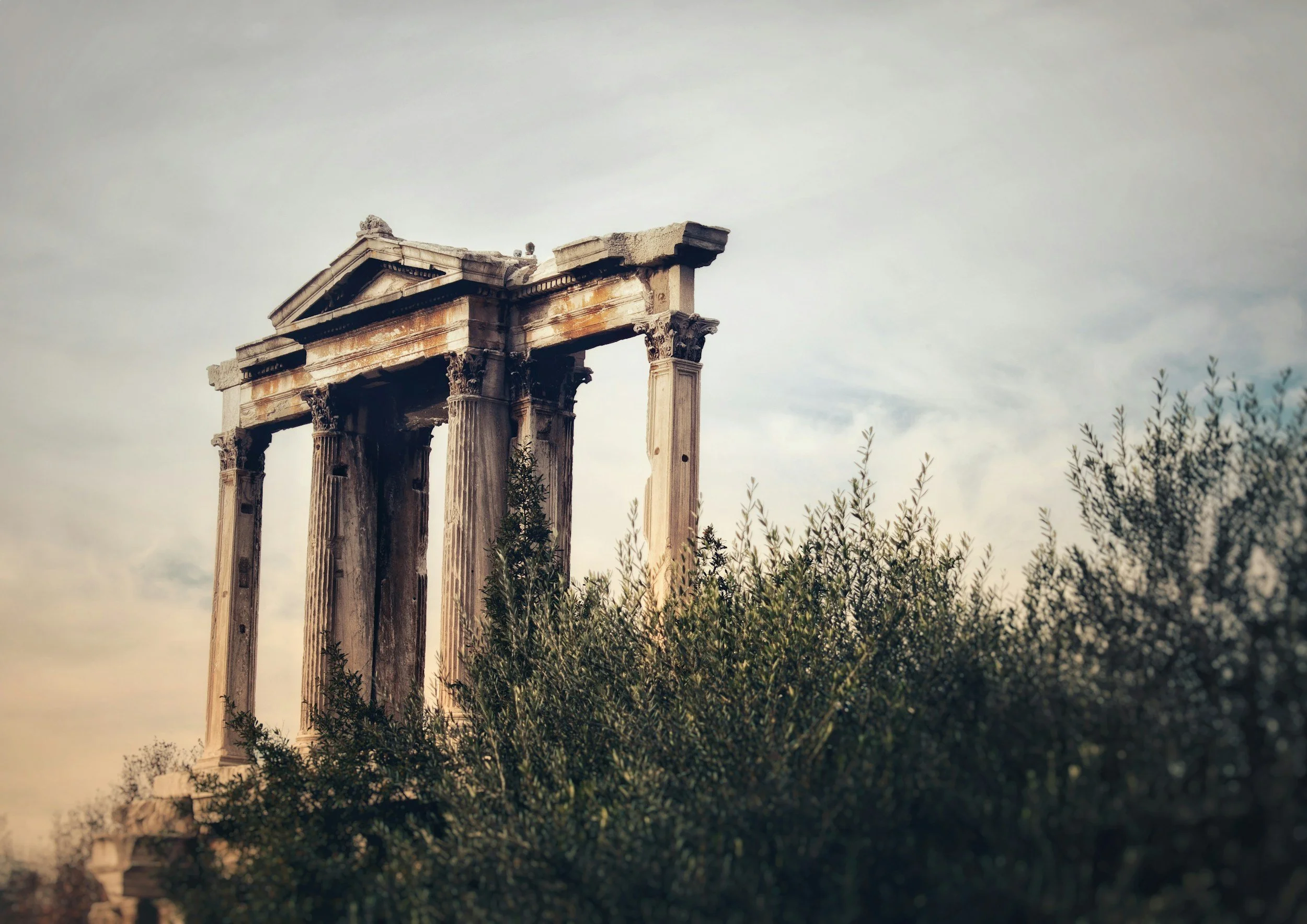
Artificial Intelligence has entered nearly every industry in the past few years, so it is no surprise we are seeing it enter the film industry. Just like major debate and outrage has echoed across the music industry, the film world is now engaging in discourse of generative AI vs human creativity. We all knew it was coming, but not many expected beloved production company A24 to be the one to spearhead operations and be the pioneers of AI in film.
Known for their commitment to creativity and elevating independent filmmakers, the entire film industry was shocked to hear that they accepted a $75 million research investment from Google’s AI lab, DeepMind, to develop AI filmmaking tools.
With the argument that they wanted “a seat at the table” and that their acceptance of the contract ensures actual filmmakers will have a say and some control over the tools created, the production studio is still facing major backlash amongst the community. The anger and the fear stem from potential job losses in an industry that has already faced major layoffs and union strife in the past few years, along with the general disgust that artificial intelligence could possibly replace the raw creativity and passion of a human being.
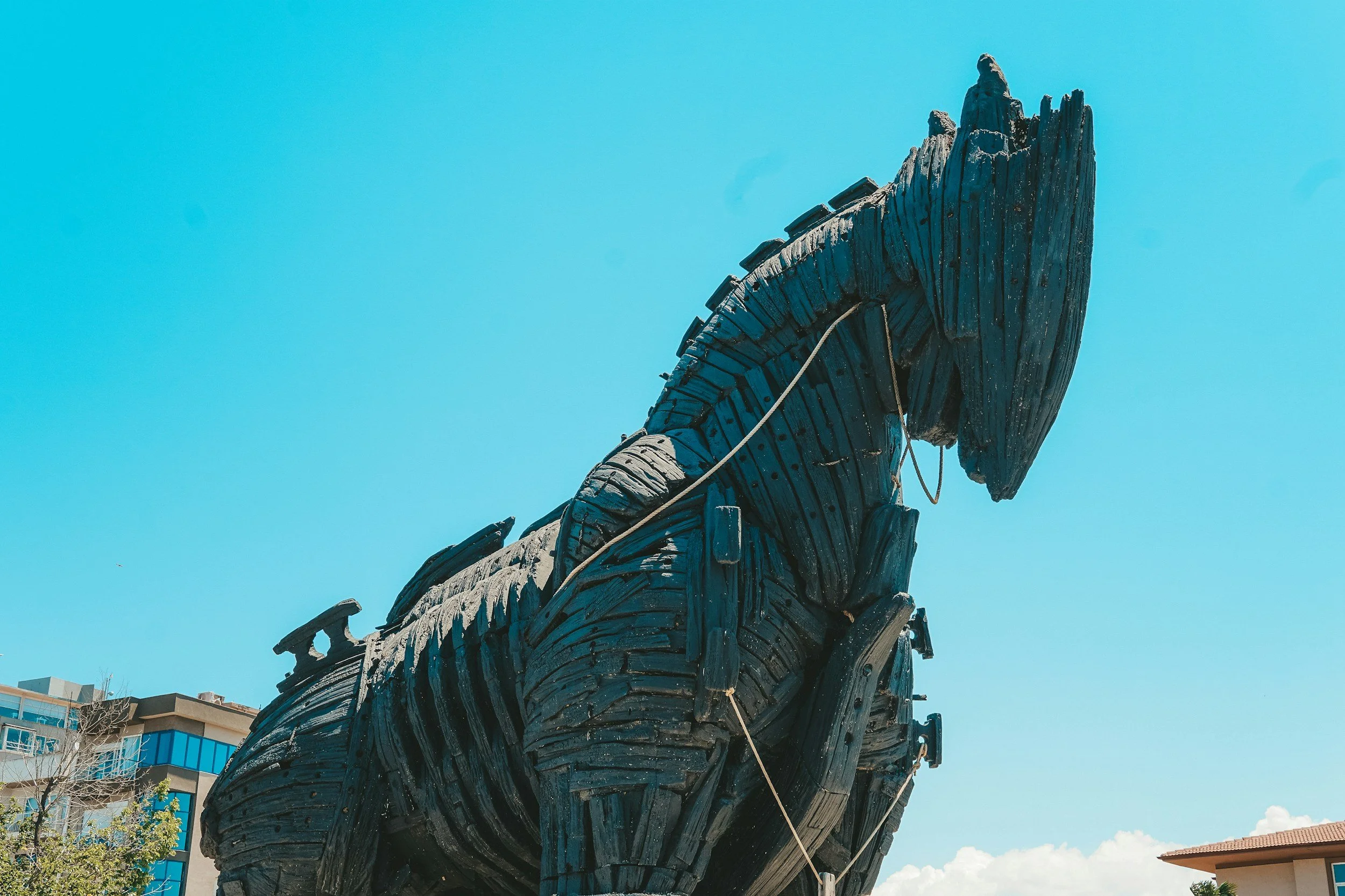
“AI is a Trojan horse that everybody knows the Greeks are inside.” - Christopher Nolan
So where is the line?
While the A24 and DeepMind contract is focused on AI-assisted storyboarding, there’s no telling where it will end. A24 has publicly said that they aren’t fans of AI generative outputs, claiming that they only want artists to have a direct voice in how the technology gets made.
However, there comes the question of… why do it at all? Unfortunately the answer to that seems to be some combination of “because someone else will at some point” and “because the wealthy people who bankroll us say we have to”. So is it better that A24 took control? Will they fight for the rights of workers in the industry or just slowly replace their creative teams with generative AI little by little.
Our Thoughts
AI is here, whether we like it or not, and we’ve entered a new space race in the form of the fight to create a superintelligence bigger than all of us. Essentially, trying to manufacture our own God. But, does that god need to create film? Music? Art? We think not.
For almost as long as Hollywood has existed, there’s been this cliched struggle between the hopelessly romantic and naive artists trying desperately to touch people on a human level with their films, and the big greedy studio bosses who refuse to view movies, or art in general, as anything more than a product to be cynically packaged for consumption. But this new paradigm feels like something different, and perhaps quite a bit more sinister.
AI can really be a fantastic tool for certain aspects of film production, which we at RMF can certainly attest to. The ability to plug in piles of disjointed information and have the black box of AI spit out things like catering menus with everyone’s dietary restrictions accounted for, prop shopping lists that can find the cheapest place to get everything, and shooting schedules that dynamically react to the limitless chaos of the set - it can be a godsend for the insane logistics of production.
But it’s clear that isn’t where it’s going to stop if many of the people driving the AI shift get their way. We’re no economists, but to us it seems that the unprecedented level of investment is getting to a point where the only way investors are going to get their money back is if AI leads to a wholesale replacement of huge portions of the workforce.
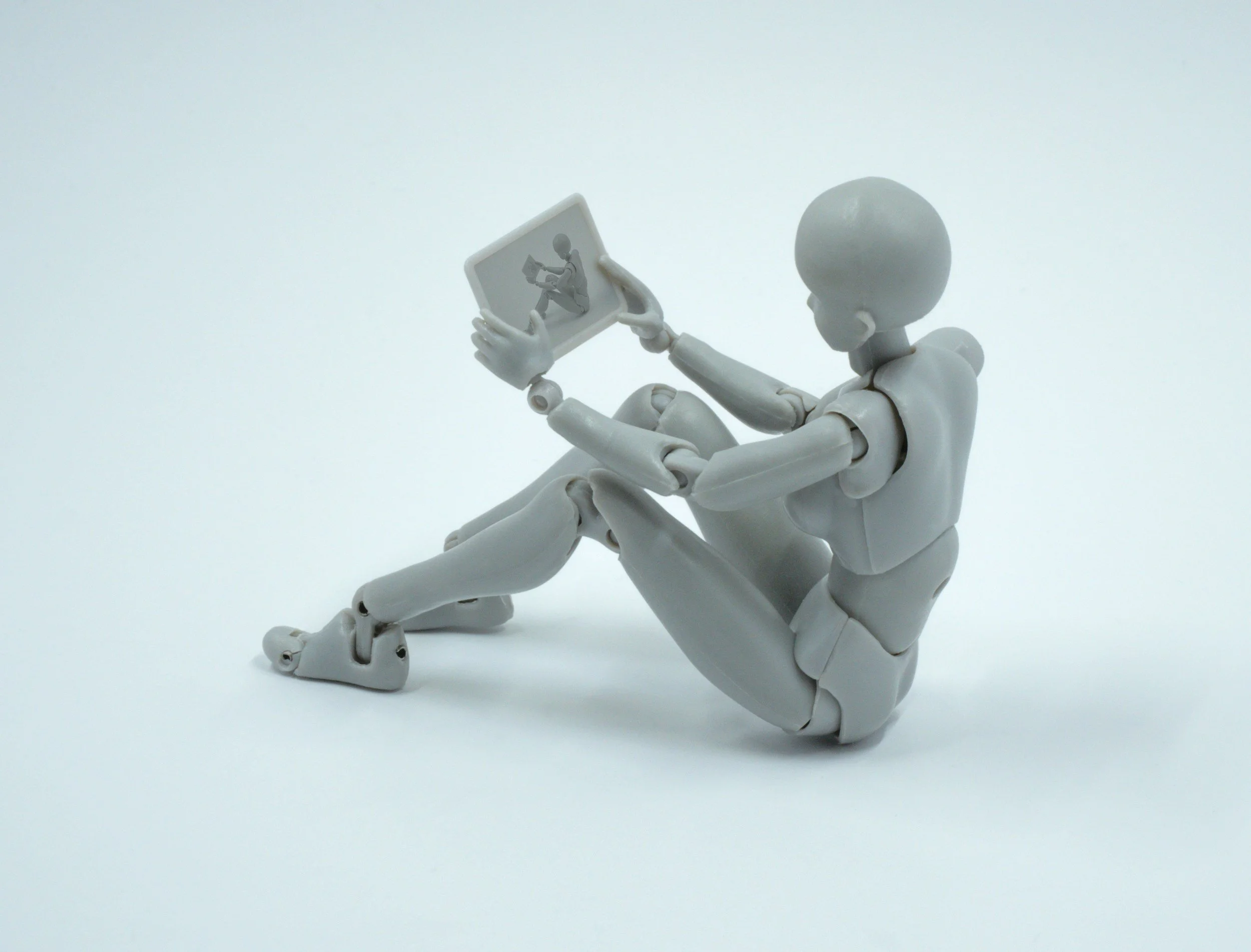
Ultimately, the stories we tell, the music we make, the visuals we construct, and the beautiful ways they all fit together are some of the most basic things that make us human. These are the frameworks that we have always used to understand the world, each other, and our relationships to all of it, while we fill in the dark gaps using our oldest superpower: creative imagination.
When you surrender the creative part to a constructed amalgamation of human expression stripped of all context, you get what the kids call “slop”. Something that seeks to endlessly reproduce bits and pieces of what a human being somewhere once imagined, but can never truly understand.
Perhaps they hope to pull a Circe, and slowly turn us all to pigs that are just happy to get our next serving of slop. But there is a growing disconnect between those intent on pushing AI into every aspect of life, using it to totally replace creativity, and the growing chorus of people who crave authentic, human stories.
